
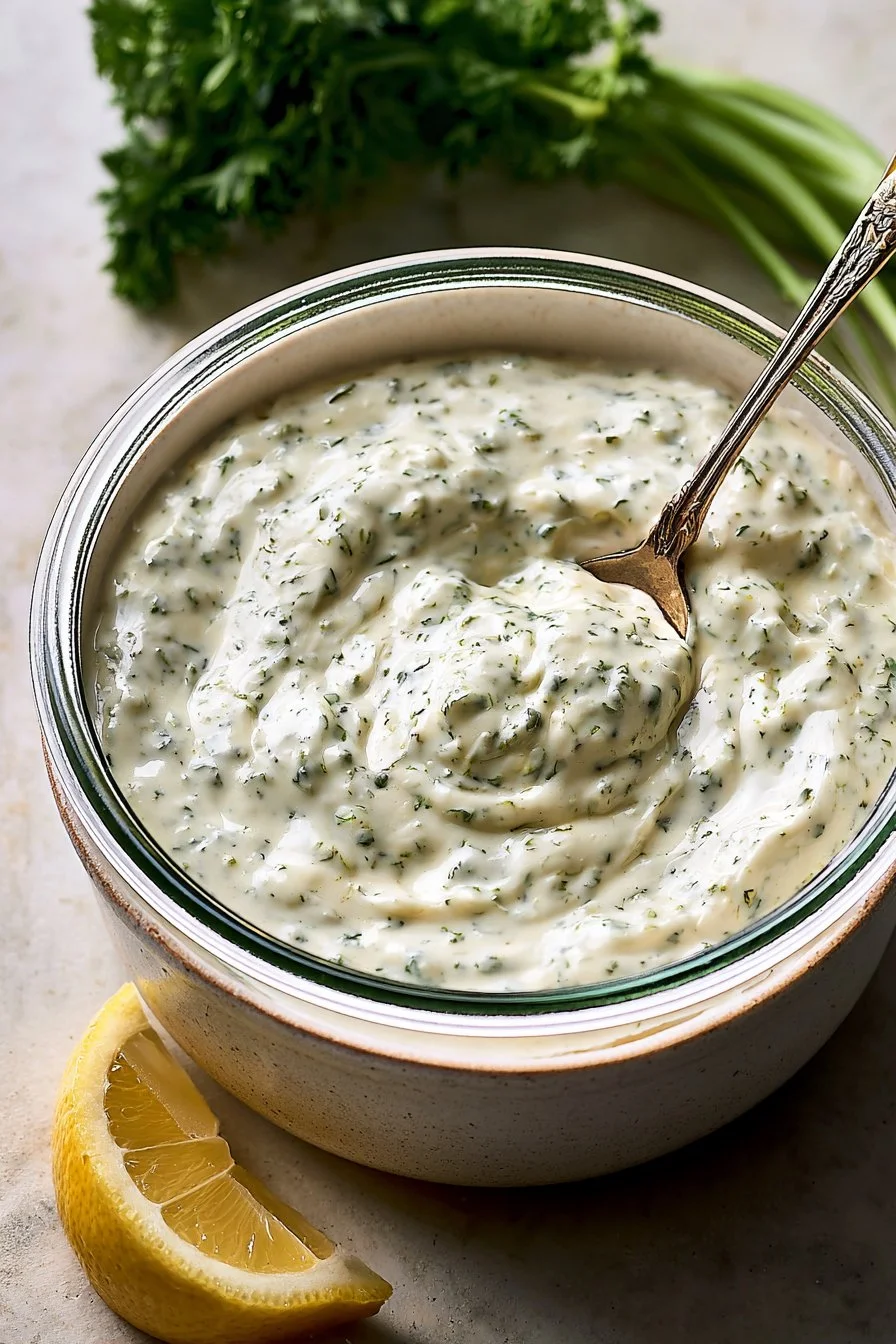
Tartar sauce combines creamy mayonnaise with chopped dill pickles, capers, lemon juice, and Dijon mustard. This version makes roughly 1¼ cups, enough for about ten two-tablespoon portions. Chop the pickles and capers finely so the sharp, briny flavor spreads through the sauce instead of collecting in a few large pieces.
The tartar sauce needs no cooking when made with commercial mayonnaise. A short refrigerator rest gives the ingredients time to blend while keeping the mixture cold. Serve it alongside fully cooked fish, fish cakes, or a seafood sandwich, using a clean spoon for each serving.
On This Page
Why This Recipe Works
Mayonnaise supplies the body, lemon contributes acidity, and the pickles and capers add contrasting texture. Dijon gives a little sharpness without making mustard the main flavor. Tartar sauce can be mixed by hand in one bowl, which makes small preparation details more useful than elaborate equipment.
Salt is added only after tasting because the brined ingredients already supply it. This tartar sauce does not include raw egg preparation, fresh onion, or sweet pickle relish unless you deliberately choose the stated relish option. Avoid calling homemade sauce shelf-stable simply because some ingredients are acidic.
Ingredients for Tartar Sauce
Use one cup of commercial mayonnaise. Drain capers before measuring and chop them finely. For the two tablespoons of pickles, measure after chopping and let loose pickle liquid drain away. Unsweetened dill relish is an alternative to the chopped dill pickles; sweet relish changes the flavor.
Fresh lemon juice is strained to remove seeds. Dijon mustard contributes both seasoning and emulsified texture. The mayonnaise in tartar sauce commonly contains egg, and mustard can matter for allergy planning. Check individual labels instead of assuming every product has identical ingredients or storage instructions.
Sauce
- 1 cup commercial mayonnaise
- 2 tablespoons capers (Drained and finely chopped)
- 2 tablespoons dill pickles (Finely chopped and drained; OR drained unsweetened dill relish)
- 1 tablespoon lemon juice
- 1 teaspoon Dijon mustard
- to taste salt and black pepper (Taste before adding salt)
How to Make Tartar Sauce
For tartar sauce, start with a clean board, knife, bowl, and spoon. Chop capers and pickles into small pieces rather than blending them into a paste. Put mayonnaise in the bowl, add the chopped ingredients, lemon juice, and mustard, and stir until the mixture is evenly speckled.
Taste with a clean utensil before adding salt and pepper. Cover the bowl and refrigerate about fifteen minutes. Stir tartar sauce once more before serving. If you prefer a looser sauce, choose that as a separate adjustment rather than pouring in unmeasured pickle brine: extra liquid can quickly turn the mixture thin and salty.
How to Serve
Serve tartar sauce cold with hot, fully cooked fish or seafood. Begin with around two tablespoons per person, then offer more from a separate cold container. Keep the serving sauce away from raw fish and any utensils used to handle it.
Put out only the amount needed for the meal. Do not pour a used table portion back into the main container, especially if diners have dipped fish directly into it. Tartar sauce is a condiment rather than a fish cooking method, so fish preparation and its safe doneness are handled separately.
Storage
Keep tartar sauce covered at 40°F or below and use within three days, or sooner if a mayonnaise label or another ingredient has an earlier limit. Label the preparation date. A clean, closed container and a fresh utensil for every scoop help avoid contamination.
Refrigerate promptly and discard a perishable serving portion left out more than two hours, or one hour above 90°F. Do not freeze tartar sauce for this recipe: the mayonnaise emulsion can separate and the chopped pickle texture can deteriorate. The short storage recommendation is not a claim of verified preservative performance.
The FDA safe food handling guidance explains prompt refrigeration and temperature checks for perishable foods.
Tips and Variations
Finely chopped ingredients are easier to spread onto a sandwich and less likely to fall off a fish portion. Dry loose brine from the pickles rather than squeezing every bit of moisture out of them. Tartar sauce should remain spoonable, with a visible chopped texture.
Make the sauce first and refrigerate it while cooking the fish, keeping the fish work area separate. Skip unsupported suggestions to replace mayonnaise with homemade raw-egg versions or to store the mixture for weeks. This tartar sauce uses the simple listed ingredients and a conservative refrigerator window.
Frequently Asked Questions
How much sauce does this make?
Approximately 1¼ cups, or ten portions of about two tablespoons. Chopped ingredient volume can vary slightly.
Can I use dill relish?
Yes. Use two tablespoons drained, unsweetened dill relish instead of chopped dill pickles for this tartar sauce.
Must I add salt?
Taste first. Mayonnaise, pickles, capers, and Dijon may supply enough salt without an additional pinch.
Can I freeze the sauce?
Freezing is not recommended here because tartar sauce may separate and lose its original texture.
Can it sit next to fish during a picnic?
Keep it cold with an ice pack and serve small quantities. Discard perishable sauce after two hours out, or one hour above 90°F.
More Recipes to Try
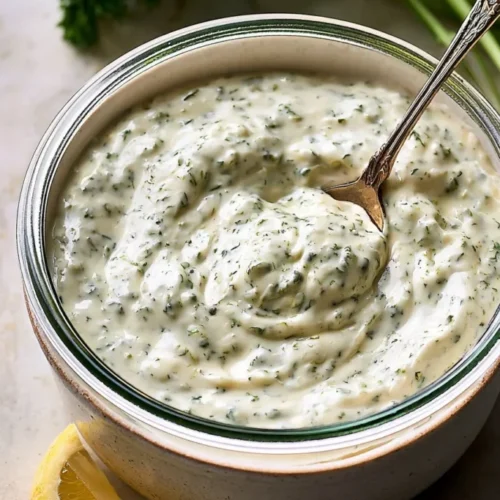
Homemade Tartar Sauce
Ingredients
Sauce
- 1 cup commercial mayonnaise
- 2 tablespoons capers Drained and finely chopped
- 2 tablespoons dill pickles Finely chopped and drained; OR drained unsweetened dill relish
- 1 tablespoon lemon juice
- 1 teaspoon Dijon mustard
- to taste salt and black pepper Taste before adding salt
Instructions
- Drain and finely chop the capers. Chop dill pickles finely, drain loose liquid, and measure 2 tablespoons; drained dill relish can replace the pickles.
- Stir mayonnaise, capers, pickles, lemon juice, and Dijon together in a clean bowl until evenly combined.
- Taste with a fresh spoon and add salt or pepper only as needed. Cover and refrigerate about 15 minutes.
- Stir briefly and serve cold, allowing around 2 tablespoons per portion. Return unused sauce to the refrigerator promptly.