
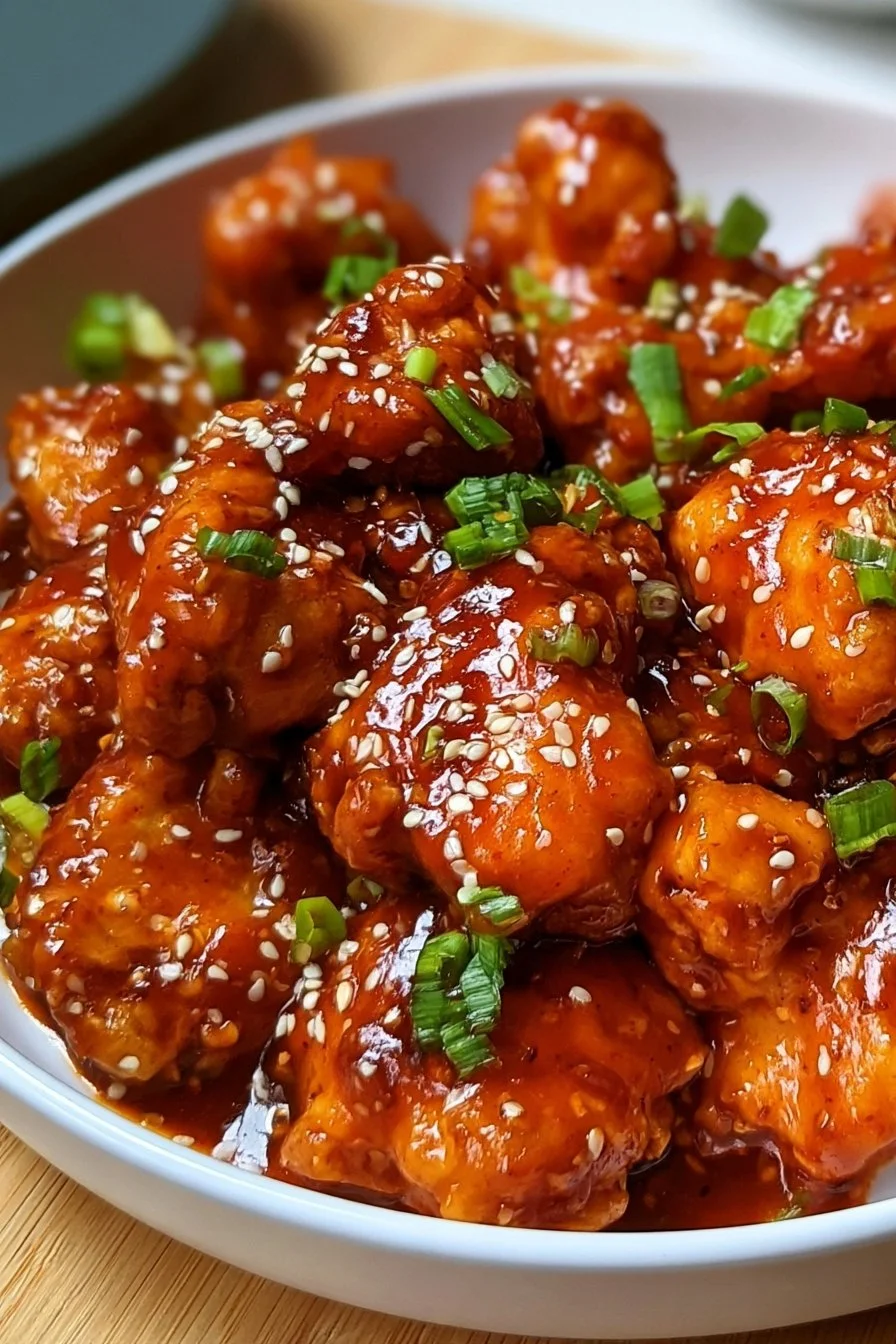
Gochujang chicken coats bite-size chicken breast pieces in a spicy-sweet sauce made with Korean chili paste, honey, soy sauce, sesame oil, garlic, and ginger. A light dusting of cornstarch helps the sauce cling to the browned chicken without creating a heavy batter. The sauce is prepared separately, then warmed in the skillet before the cooked chicken returns for a final toss.
Have the sauce ingredients mixed and the chicken cut before you heat the pan. Gochujang chicken cooks quickly, and its honey-based sauce can scorch over high heat. The 30-minute plan is an estimate; cooking extra batches adds time.
On This Page
Why This Recipe Works
The chicken uses two textures: browned chicken on the outside and a glossy sauce that coats it at the end. Cooking the chicken before adding the sauce lets its surface brown without the honey and chili paste burning in the skillet.
A tablespoon of cornstarch gives the pound of chicken a thin coating that helps the glossy sauce cling. Gochujang supplies fermented chili flavor, while honey and sesame oil round out the finish.
Ingredients for Gochujang Chicken
For the Sauce
- 1/4 cup gochujang, Korean chili paste, Choose the heat level you prefer.
- 2 tbsp honey
- 2 tbsp soy sauce
- 1 tbsp sesame oil
- 2 cloves garlic, minced
- 1/2 tsp ginger, grated
For the Chicken
- 1 lb chicken breast, cut into bite-size pieces
- 1 tbsp cornstarch
- vegetable oil, as needed for frying
- sesame seeds, for garnish
- chopped green onions, for garnish
To make gochujang chicken, cut boneless breast into similar bite-size pieces and pat them dry before coating. Keep the cornstarch distributed thinly across the surface rather than clumped in one spot. Use vegetable oil to coat the skillet; add enough to coat the pan.
Gochujang varies in heat and composition. Choose a variety that matches your preferences, and check both the chili paste and soy sauce labels if avoiding wheat or gluten. The quarter cup of gochujang can make a spicy sauce, depending on the product. Sesame seeds and green onions are finishing garnishes.
How to Make Gochujang Chicken
1. Mix the sauce. Whisk together the gochujang, honey, soy sauce, sesame oil, minced garlic, and grated ginger in a bowl. Set it beside the stove so it is ready when the chicken finishes.
2. Coat the chicken. Pat the bite-size chicken pieces dry and toss with the cornstarch until lightly and evenly coated. Break up any clumps; this is a thin coating, not a batter.
3. Brown and cook the chicken. Set a large skillet over medium heat and add enough vegetable oil to leave a continuous film across the bottom. Allow the oil to warm before adding the coated chicken; a hot pan helps its thin coating set. Add the chicken in one layer, working in batches if needed. Turn the pieces as they brown and cook until the thickest pieces reach 165°F. Transfer to a clean plate.
4. Warm the sauce. Remove excess frying oil from the skillet, leaving only a light film, and reduce the heat. Add the prepared sauce and simmer gently, stirring, until glossy and slightly thickened. Do not let the honey-based mixture scorch.
5. Coat and garnish. Remove the skillet from the heat, return the fully cooked chicken, and toss until each piece is coated and garnish with sesame seeds and chopped green onions. Divide into four servings and serve promptly.
Serving Suggestions
Serve gochujang chicken over separately cooked rice or alongside noodles. A cool cucumber salad or simply prepared green vegetables helps balance the concentrated sauce. Offer the rice or noodles separately so everyone can choose their own portion.
This dish is best served just after the final toss. The coating softens as it sits in sauce, so prepare the rice and vegetables first when possible. Have cooked rice ready before starting the chicken so the meal can be served promptly.
Storage and Reheating
Refrigerate the chicken promptly in shallow covered containers and use within 3–4 days at 40°F or below. Store rice or noodles separately so you can adjust the moisture and heat each component evenly.
Reheat gently in a skillet with a small splash of water to loosen the sauce, stirring until the chicken reaches 165°F. The FoodSafety.gov temperature chart gives the required poultry and leftover targets. The sauce will remain flavorful, but reheated chicken will not have the same freshly browned surface.
Tips and Variations
For well-browned chicken, avoid crowding the skillet. If the pieces release moisture and sit in a puddle, give them more space and cook another batch. Additional batches increase elapsed time, so a crowded pan is not a useful shortcut.
Keep the sauce over gentle heat and stir as it thickens. Choose a milder chili paste for a less intense result; reducing the paste further is a variation that changes the sauce balance. Keep the sauce separate until the chicken has browned. A wet honey marinade would work against the light cornstarch coating in this method.
Frequently Asked Questions
Is this a heavily battered fried chicken recipe?
The cornstarch forms a thin coating that helps the sauce cling. The chicken is cooked in a skillet rather than deep-fried in a heavy batter.
Is gochujang always gluten-free?
No, some products contain wheat or other gluten-containing grains. Check both the gochujang and soy sauce labels.
Can I use chicken thighs for gochujang chicken?
Boneless thighs can work as a variation, cut into similar pieces. Cooking time may change, and they still need to reach 165°F.
Why did the sauce burn?
The heat may have been too high. Lower it before adding the honey-based sauce and stir during its brief simmer.
Can I mix the sauce ahead?
Yes, cover and refrigerate the mixed sauce, then stir before cooking. Keep it separate from the raw chicken for this method.
More Recipes to Try
For another meal or a side to serve alongside, explore these published recipes:
- Sticky Garlic Chicken with Noodles
- Honey Garlic Chicken Recipe
- Korean Carrot Salad
- Skillet Sesame Chicken and Broccoli
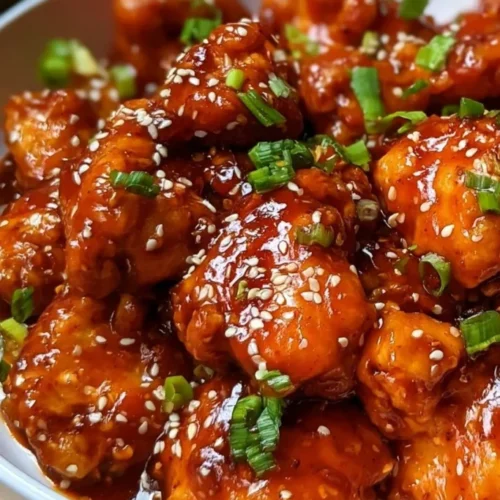
Gochujang Chicken with Honey, Garlic, and Sesame
Ingredients
For the Sauce
- 1/4 cup gochujang, Korean chili paste Choose the heat level you prefer.
- 2 tbsp honey
- 2 tbsp soy sauce
- 1 tbsp sesame oil
- 2 cloves garlic, minced
- 1/2 tsp ginger, grated
For the Chicken
- 1 lb chicken breast, cut into bite-size pieces
- 1 tbsp cornstarch
- vegetable oil, as needed for frying
- sesame seeds, for garnish
- chopped green onions, for garnish
Instructions
Method
- Whisk gochujang, honey, soy sauce, sesame oil, garlic, and ginger until combined.
- Pat the bite-size chicken dry and toss with 1 tablespoon cornstarch until lightly coated, breaking up any clumps.
- Heat enough vegetable oil to coat a large skillet over medium heat. Cook in one layer, turning as needed, until lightly browned and the thickest pieces reach 165°F; transfer to a plate and repeat in batches if necessary.
- Remove excess frying oil, leaving a light film, and reduce the heat to low. Stir in the sauce and simmer gently until glossy and slightly thickened, then remove from the heat.
- Toss the cooked chicken with the warm sauce off the heat. Garnish with sesame seeds and chopped green onions and divide into four servings.
Notes
- Refrigerate promptly in shallow, covered containers at 40°F or below; use within 3–4 days.
- Reheat portions to 165°F, adding a little water or broth if needed.