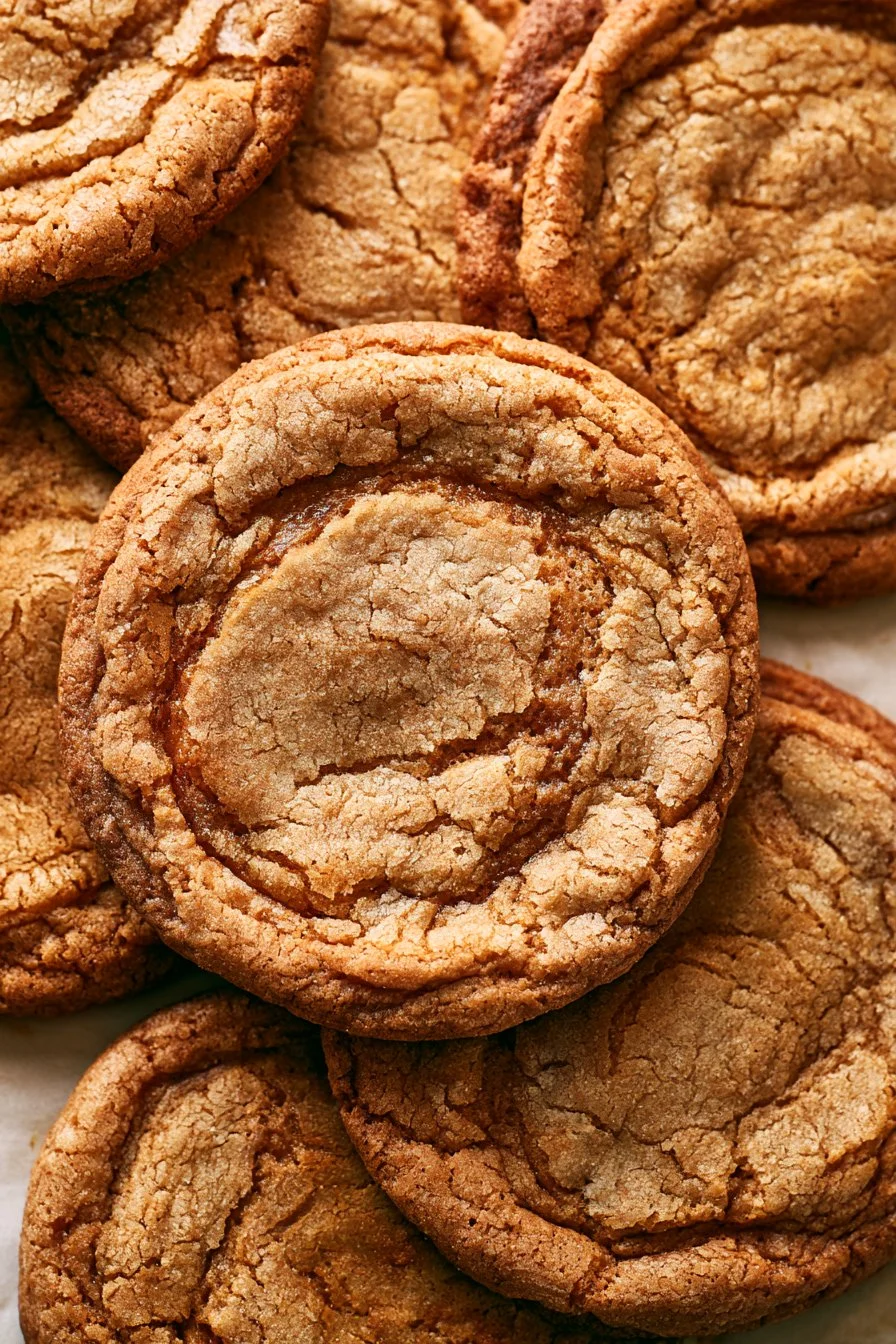

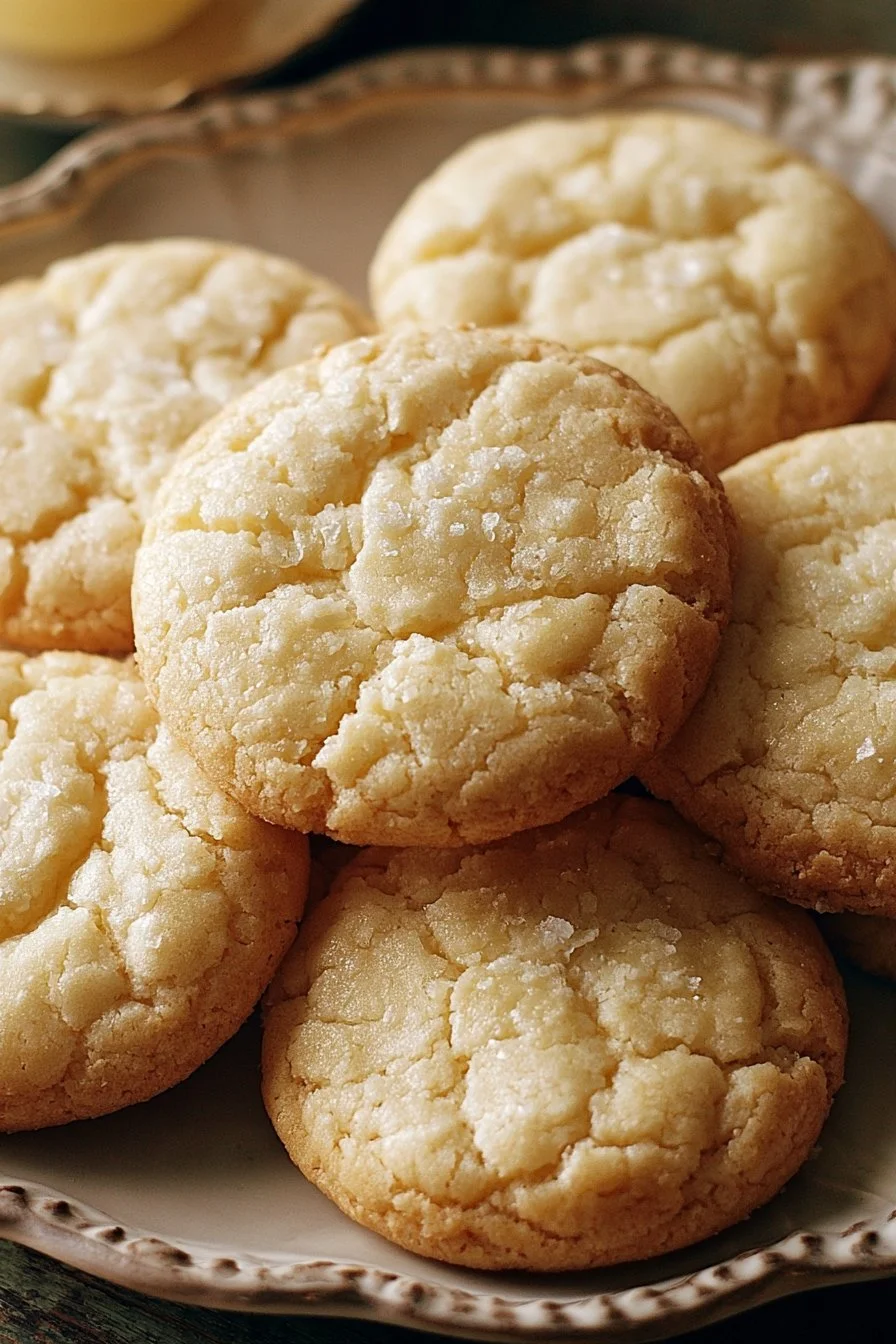
Butter cake cookies bring the buttery flavor of a glazed cake into individual portions. A soft vanilla dough is baked first, then brushed with a warm glaze that soaks into the tops. They need time to cool after glazing, even though the hands-on steps are straightforward.
This recipe makes twenty-four butter cake cookies in two separate tray bakes. Divide the dough evenly so the centers finish at the same time. The glaze is a generous batch, applied in light passes instead of one heavy puddle.
On This Page
Why This Recipe Works
Softened butter blends with the two sugars to create the dough’s base. The powdered sugar is part of the cookie mixture as well as the recipe’s overall sweetness; it is not merely a dusting for the finished tray.
Butter cake cookies get their finish from the warm glaze. Applying it while the cookies are still warm helps it settle into the surface. Waiting until everything is completely cold before glazing gives a different, more separate topping layer.
Ingredients for Butter Cake Cookies
Use unsalted butter for both the dough and glaze, measuring those quantities separately. Soften the dough butter until it yields to a fingertip while retaining its shape. Melted or oily butter can encourage excess spreading.
The flour for butter cake cookies should be spooned and leveled rather than packed into the measuring cup. The original ingredient names repeated their quantities, but each amount is measured once. A tablespoon of flour is not an automatic substitute for proper dough cooling if the mixture feels soft.
Vanilla appears in both components. Butter extract is optional in the dough, so leaving it out does not mean you need to replace it with another spoonful of vanilla. The glaze includes water to help dissolve its granulated sugar.
Cookie Ingredients
- 2.5 cups all-purpose flour
- 2 large eggs
- 1 cup unsalted butter, softened (Important for creaming)
- 1 cup granulated sugar
- 0.5 cup powdered sugar
- 1 tsp vanilla extract
- 1 tsp butter extract (Optional, for extra buttery flavor)
- 1 tsp baking powder
- 0.25 tsp salt
Glaze Ingredients
- 0.5 cup unsalted butter
- 0.75 cup granulated sugar
- 0.25 cup water (60 mL)
- 1 tsp vanilla extract
How to Make Butter Cake Cookies
Cream the softened butter with the dough’s granulated and powdered sugars until lighter and well blended. Add the eggs and extracts, then mix in the combined dry ingredients just until there are no flour patches. Overworking the dough after adding flour does not improve it.
Divide into twenty-four portions, roughly two tablespoons or thirty-five to forty grams each. Roll gently, flatten slightly, and space twelve portions on each parchment-lined tray. Bake butter cake cookies one tray at a time at 350°F for about eleven to fourteen minutes, checking for set edges and a baked surface.
Prepare the glaze during the baking period. Melt its butter, add the measured sugar and water, and stir over gentle heat until the sugar dissolves. A brief simmer may be needed; avoid a vigorous boil that evaporates most of the water. Stir in the glaze vanilla off the heat.
Let each tray rest about five minutes, then move the cookies to a rack over a tray. Brush warm butter cake cookies lightly, let that coat absorb for a minute, and make a second pass. Divide the glaze across the full batch. Allow approximately forty minutes for cooling and the topping to settle, extending that pause if needed.
How to Serve
Serve butter cake cookies once they can be lifted without bending and the glaze is no longer running. Their surface can remain softer than a crisp sugar cookie because of the buttery finish.
Arrange them with a little space on a platter rather than piling them immediately into a deep bowl. Coffee or tea works well with the sweet vanilla flavor. Additional toppings are not necessary for the basic recipe.
Storage
Keep butter cake cookies in a covered container at room temperature for two to three days. Let them cool fully before closing the lid so trapped steam does not soften the tops further. Use parchment between layers if the glaze remains slightly tacky.
For longer storage, freeze cooled cookies for about one month. Thaw covered portions at room temperature and handle gently. The topping may look less even after freezing, so save freshly glazed cookies for occasions where appearance matters most.
For preparing the egg-and-flour dough, follow the FDA’s safe handling of raw flour.
Tips and Variations
If butter cake cookies spread very thin, check that the butter was softened rather than melted and that the second tray was not hot when loaded. A short refrigerator pause can firm overly soft dough; that optional delay adds to the listed total.
If glaze separates, stir it gently while warm instead of immediately adding more sugar. Applying several thin coats gives better control than pouring a hot spoonful into the center of each cookie. Keep the saucepan off high heat while waiting for the second tray.
Frequently Asked Questions
When should I glaze butter cake cookies?
Brush them after a short tray rest while they are still warm. Use a warm, stirred glaze and let each light coat settle before applying another.
Does the powdered sugar go in the dough?
Yes. The half cup listed with the cookie ingredients is mixed with the granulated sugar and butter. The glaze uses its own separate sugar amount.
How large should each portion be?
Divide the batch into twenty-four equal pieces, around two tablespoons of dough each. Similar-sized portions make bake timing easier to judge.
Must I use butter extract?
No. It is optional. Vanilla and the measured butter already give the recipe its base flavor.
Can I pack the cookies immediately?
Allow them to cool and the glaze to stop running first. Closing a container around warm cookies traps moisture and can make them fragile.
More Recipes to Try
- Perfect Shortbread Cookies
- Soft and Chewy Gingerbread Cookies
- Thick and Chewy Peanut Butter Cookies
- Raspberry Swirl Shortbread Cookies
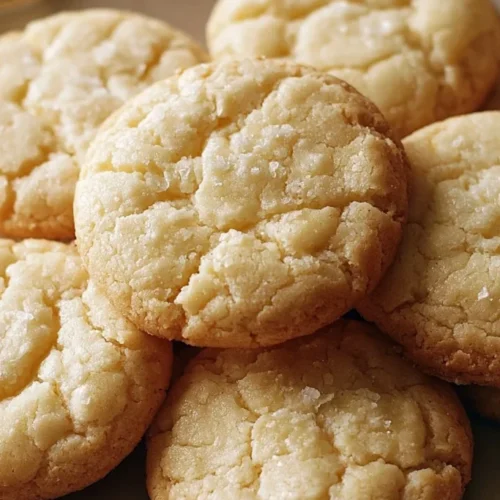
Kentucky Butter Cake Cookies
Ingredients
Cookie Ingredients
- 2.5 cups all-purpose flour
- 2 large eggs
- 1 cup unsalted butter, softened Important for creaming
- 1 cup granulated sugar
- 0.5 cup powdered sugar
- 1 tsp vanilla extract
- 1 tsp butter extract Optional, for extra buttery flavor
- 1 tsp baking powder
- 0.25 tsp salt
Glaze Ingredients
- 0.5 cup unsalted butter
- 0.75 cup granulated sugar
- 0.25 cup water 60 mL
- 1 tsp vanilla extract
Instructions
- Preheat to 350°F and line two baking sheets. Beat the dough butter with both dough sugars until creamy and lighter.
- Add eggs, dough vanilla, and optional butter extract. Whisk flour, baking powder, and salt separately, then mix into the wet mixture just until incorporated.
- Divide into 24 roughly 2-tablespoon portions. Roll, press slightly flatter, and arrange 12 with spreading room on each tray. Bake separately for 11–14 minutes per tray, until edges and surfaces are set.
- During baking, melt the glaze butter over gentle heat. Stir in its granulated sugar and water until dissolved, simmering briefly if needed. Remove from heat and add glaze vanilla.
- Rest each baked tray about 5 minutes, then lift cookies onto a rack over a drip tray. Brush the warm glaze on in light passes, dividing it across all cookies. Cool and let the topping settle for about 35 additional minutes or longer as needed.