
Almond buttercream frosting is a butter-and-powdered-sugar mixture flavored with one teaspoon almond extract. It uses no cooked syrup or egg whites. Start with softened butter, keep the mixer low while adding sugar, and adjust the milk or cream slowly to suit spreading or piping.
This batch makes approximately two and a half to three cups, depending on how much air is whipped into it. Treat that as a volume guide rather than a promise about a fixed number of heavily decorated cupcakes. Tall swirls and extra cake borders use more frosting than a thin spread.
On This Page
Why This Recipe Works
Beating the butter before adding sugar makes the base easier to combine. Almond buttercream frosting relies on butter that yields when pressed but still holds its shape. Melted butter produces a looser mixture and is not interchangeable with the softened ingredient.
Powdered sugar supplies both sweetness and structure. A little milk or cream loosens the mixture after the sugar has been incorporated. Adding all the liquid before judging the finished consistency can leave frosting too soft for the design you intended.
Ingredients for Almond Buttercream Frosting
Use one cup butter and sixteen ounces powdered sugar by weight. The sugar is about three and a half to four cups depending on packing, so weighing avoids the uncertainty of compacted cups. Sift hard lumps before mixing; the mixer may not break every lump into a smooth texture.
Almond buttercream frosting uses one teaspoon almond extract and an optional half teaspoon vanilla. These extracts are flavorings rather than almond butter or almond flour. The pinch of salt is optional if the butter is already salted. Keep two to four tablespoons milk or cream available, but use only the amount the consistency needs.
Frosting Base
- 1 cup butter (softened, not melted)
- 16 oz powdered sugar (1 pound, about 3.5-4 cups)
- 1 tsp almond extract (almond extract, not almond butter)
- ½ tsp vanilla extract (optional)
- 2-4 tbsp milk or cream (Adjust for desired consistency.)
- 1 pinch salt (optional if butter is salted)
How to Make Almond Buttercream Frosting
Place the softened butter in a mixer bowl. Beat for several minutes until it looks lighter and smooth, stopping to scrape the sides and the bottom. Check that there are no cool firm butter pieces hidden under the paddle or along the bowl wall.
Switch the mixer off before adding the powdered sugar and extracts. Start on low speed so the loose sugar stays in the bowl. Scrape as needed and continue until the sugar is moistened throughout. A crumbly appearance early in this step does not mean the mixture needs all the liquid immediately.
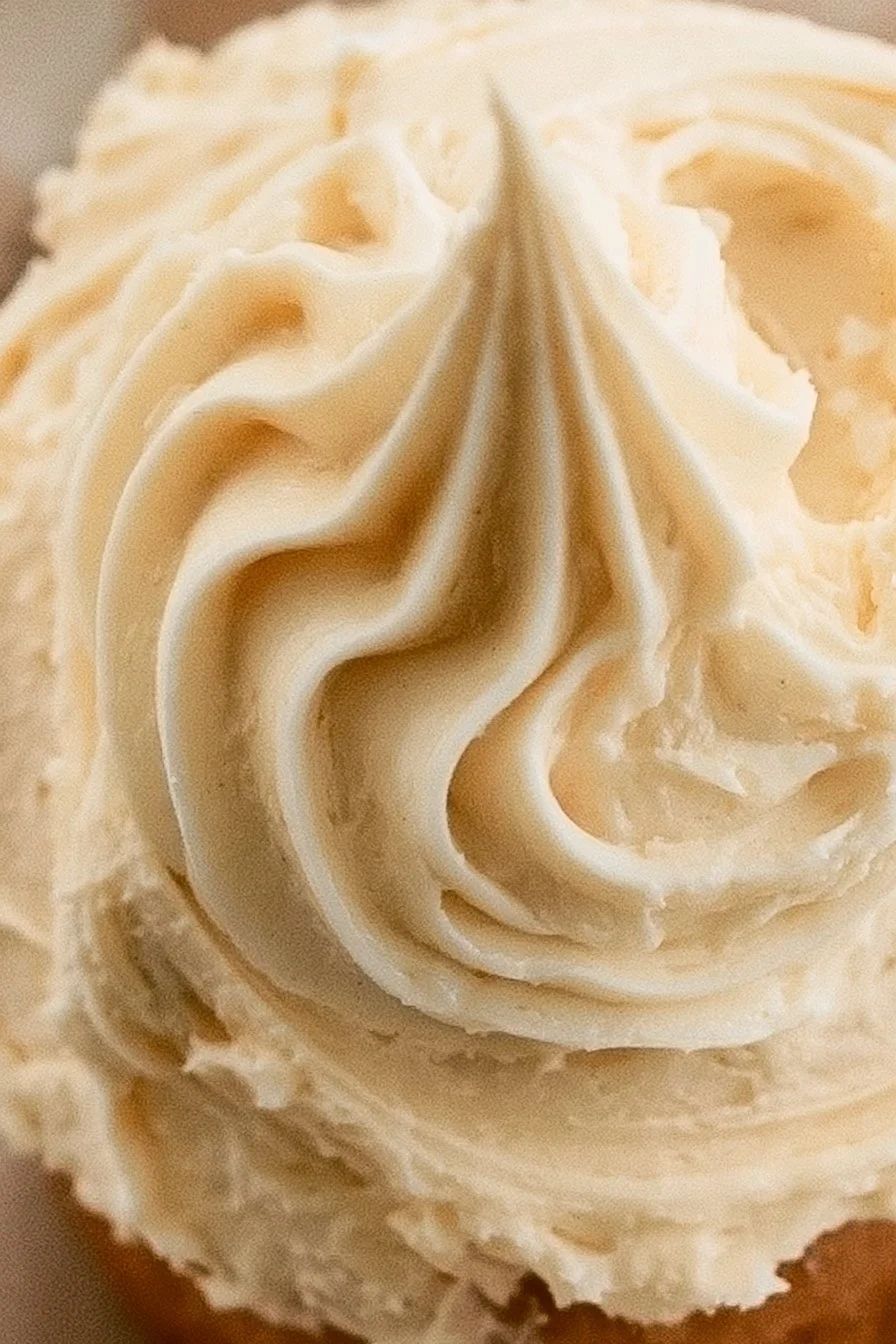
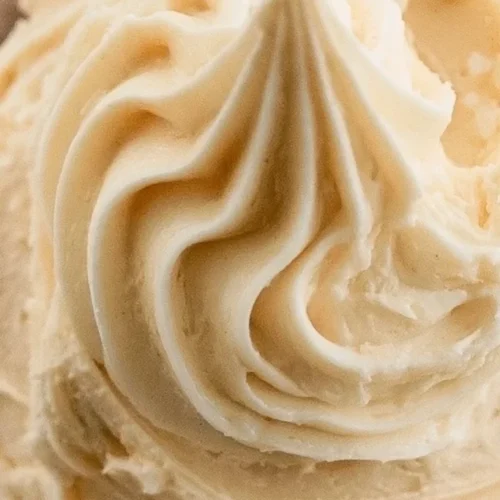
Increase to medium speed and beat until the frosting becomes fluffy. Check almond buttercream frosting with a spatula: for spreading, it should move smoothly without dragging the cake surface; for piping, it should hold the edge of a small test swirl. Add milk or cream in half-tablespoon increments, mixing between additions. Finish with a short gentle stir if you want to reduce large air pockets before smoothing a cake.
How to Serve
Spread almond buttercream frosting only on fully cooled cakes or cupcakes. Warm cake can melt the butter and loosen even a properly mixed batch. Transfer a portion to a piping bag rather than packing the entire batch into an oversized bag that is difficult to control. Keep the remaining frosting covered while working so the surface does not dry before the next refill.
Storage
Keep almond buttercream frosting tightly covered in the refrigerator for up to a week, or freeze for up to three months. Thaw in the refrigerator, then allow it to soften enough for remixing before decorating. The storage requirement of a finished cake also depends on its filling; a dairy or other perishable filling still needs its appropriate refrigeration even when this frosting surrounds it. Do not leave the batch in direct sun or a hot kitchen.
This version is adapted from Partylicious. Follow FDA food-handling guidance.
Tips and Variations
A smooth butter base is easier to diagnose before the powdered sugar goes in. If the bowl has become warm and the frosting is slack, refrigerate briefly and remix once it is workable. If it is firm straight from the refrigerator, allow gradual softening before trying to force it through a piping tip.
For almond buttercream frosting, choose the intended use before adding the last spoonful of milk. A spreading texture may be softer than a detailed piping texture. Reducing the sugar substantially also changes stability, so do not treat that as a simple adjustment with the same decorating results. A small test on a plate helps you judge the texture before frosting the cake.
Frequently Asked Questions
Is almond buttercream frosting made with almond butter?
No. The almond flavor comes from extract in a butter-and-powdered-sugar base.
Should I use all four tablespoons milk?
Only if needed. Add small amounts, mix, and check the texture between additions.
Can I frost a warm cake?
Wait until it is fully cool. Warm cake can melt the butter in the frosting.
Why is my frosting lumpy?
Look for unsifted hard sugar lumps or butter that was not evenly softened before mixing.
How much does the recipe make?
Approximately two and a half to three cups. The number of decorated portions depends on how generously it is applied.
More Recipes to Try
Almond Buttercream Frosting
Ingredients
Frosting Base
- 1 cup butter softened, not melted
- 16 oz powdered sugar (1 pound, about 3.5-4 cups)
- 1 tsp almond extract almond extract, not almond butter
- ½ tsp vanilla extract optional
- 2-4 tbsp milk or cream Adjust for desired consistency.
- 1 pinch salt optional if butter is salted
Instructions
- Beat the softened cup of butter until smooth and lighter, scraping the bowl thoroughly.
- With the mixer stopped, add the weighed powdered sugar, almond extract, optional vanilla, and optional salt. Begin mixing slowly until the dry sugar is incorporated.
- Whip at medium speed to a light consistency. Scrape and check for firm butter pieces or sugar lumps.
- Adjust with milk or cream 1/2 tablespoon at a time within the listed range. Test a spread or small swirl before adding more.
- Apply to cooled desserts, or cover and refrigerate the frosting. Soften and remix a chilled batch before decorating.